
A lot, if it's done carefully. Single-stage paint can usually be cleaned, decontaminated, polished back to a deep gloss and protected. But it's often thin and decades old, and every polishing pass removes a little of it. The goal is the most improvement for the least paint removed, and sometimes the right call is to leave a flaw where it is.
What single-stage paint is
Most modern cars have a base coat of color covered by a separate clear coat. Single-stage paint puts the color and the gloss in one layer, with no clear coat on top. Most cars built before the 1980s left the factory this way, and many classics still wear that original finish.
That changes how the paint behaves. When single-stage paint oxidizes, the color itself goes dull and chalky, because there's no clear layer above it taking the weather. And any polishing works directly on the color.
How to tell if your car has it
Put a little polish or cleaner wax on a white applicator and work it on an inconspicuous spot. If the pad picks up the car's color, the paint is single-stage. On a clear-coated car the pad stays white or picks up only dirt.
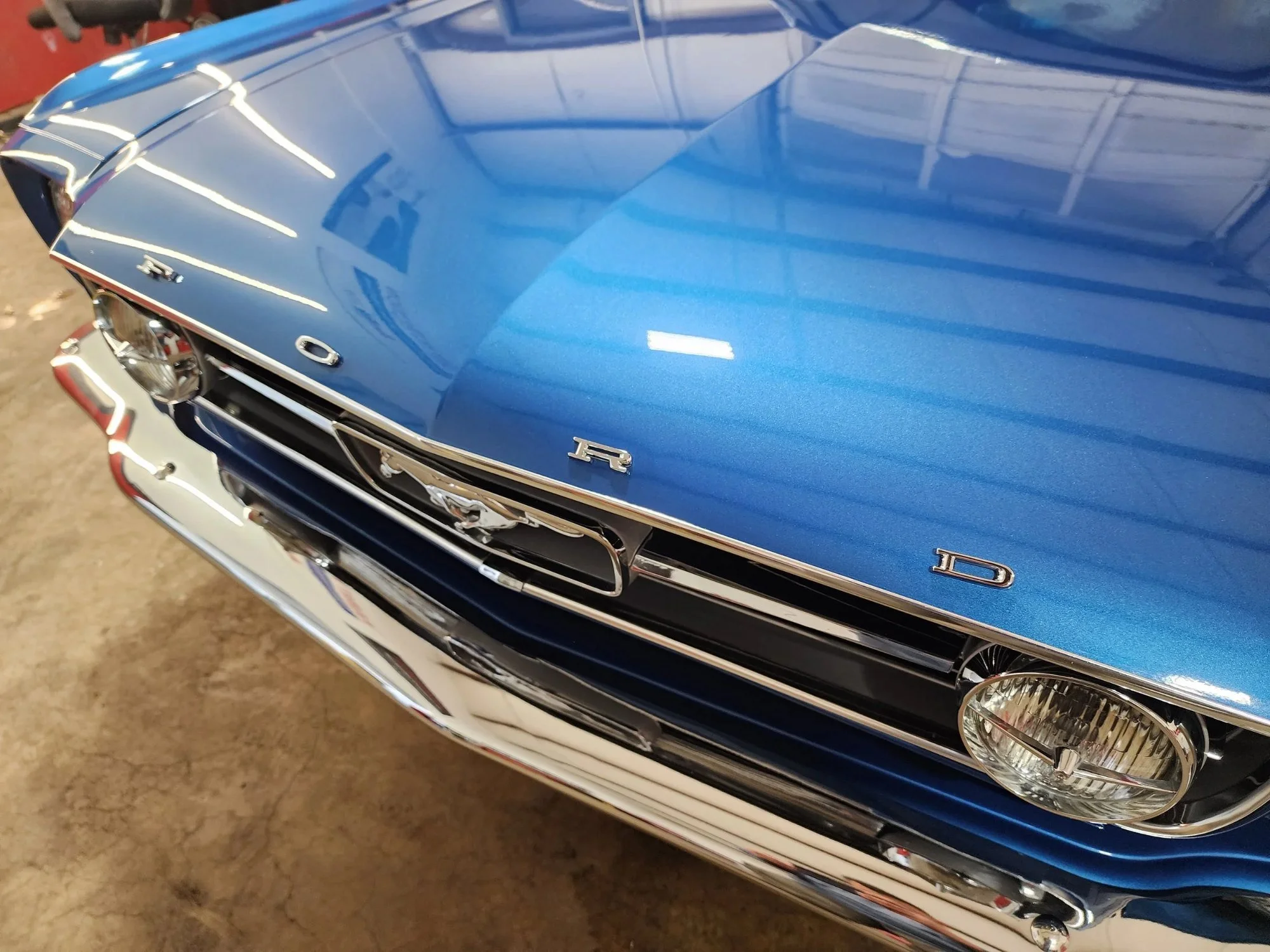
What a careful detailer does
1. Clean gently
A careful hand wash and decontamination come first, so grit isn't dragged across soft, thin paint.
2. Measure
Older paint has often been polished before, sometimes many times. Measuring the paint thickness, where the body material allows it, shows how much is left to work with before any machine touches it.
3. Test a small area
We start with a test spot using the gentlest combination that might work, then step up only if we have to. The test shows how the paint responds and how much correction it can safely give.
4. Correct only as much as the paint can give
On thin or original paint, the right answer is often a big improvement in gloss and clarity with some deeper marks left alone. Heavier steps like wet sanding are only for paint with enough depth, and only after measuring and testing.
5. Protect it
Freshly polished single-stage paint needs protection. A good wax or sealant adds depth and keeps oxidation from coming back. A ceramic coating is an option for some classics, and we'll talk it through once we've seen the car.
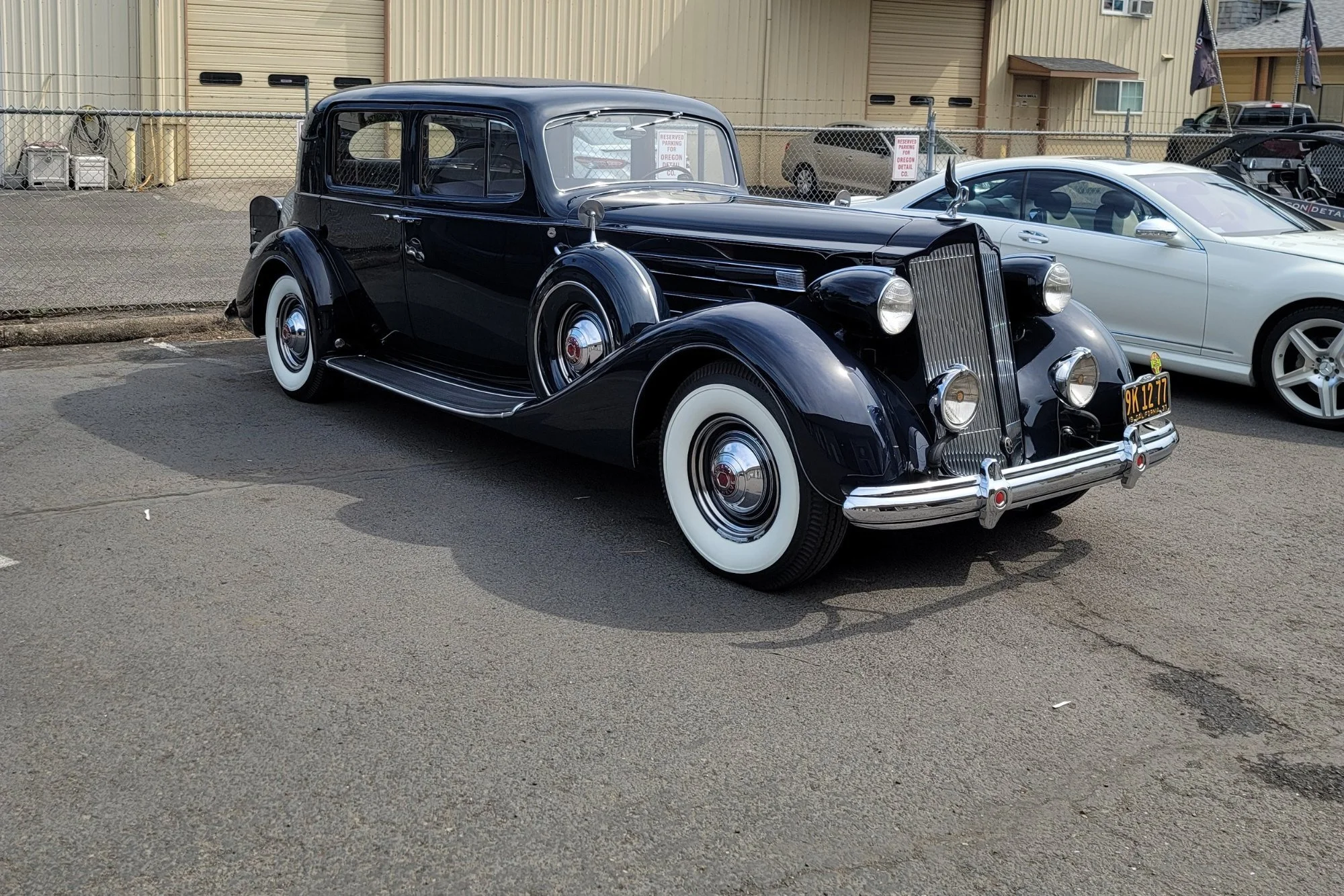
Why preservation comes first
Original paint can't be replaced. Once it's polished through, the only fix is a repaint, and for many classics that changes what the car is. Collectors and judges value originality, so on an original car we treat the paint as something to preserve, not just make shiny.
That's also why every classic we work on is quoted in person. We look at the car's condition and paint history together with you, talk through whether you want a sale prep, a driver refresh or a concours finish, and build a plan and price around that. Concours-level paint work takes a minimum of 3 days.
Frequently asked questions
Can oxidized single-stage paint be saved?
Often, yes, as long as there's enough paint left. A test spot shows how much gloss comes back and how much correction the paint can safely take.
Should I polish my classic myself?
A gentle hand wash and a non-abrasive wax are safe. Machine polishing on thin original paint is where most of the damage happens, so measure and test before you start, or have it done by someone who will.
How much does a classic car detail cost?
Every classic is quoted in person, because condition and paint history change the approach. Call us at (541) 968-2804 to set up a time.
You can see some of the cars we've worked on, from a 1937 Packard to a 1961 Morris Minor, on our classic and show car detailing page. For heavier problems like mold or smoke odor in a stored classic, see our guide to restoration detailing in Eugene.